

Why Fast Fleet Support Matters
The parking lot looks calm before sunrise. Delivery vans sit in a row, service trucks wait near the loading dock, and every driver expects an ordinary workday. Then one truck refuses to start, a box van blows a tire, and the whole schedule begins to slide. We have seen how a dependable Lynchburg fleet service keeps small problems from turning into missed calls, late deliveries, and frustrated customers.
Local businesses depend on their vehicles every day. Landscapers, electricians, plumbers, delivery companies, and construction crews all lose time when a truck sits on the side of the road. We build towing and maintenance partnerships so business owners have one reliable contact instead of scrambling to find help every time trouble appears.
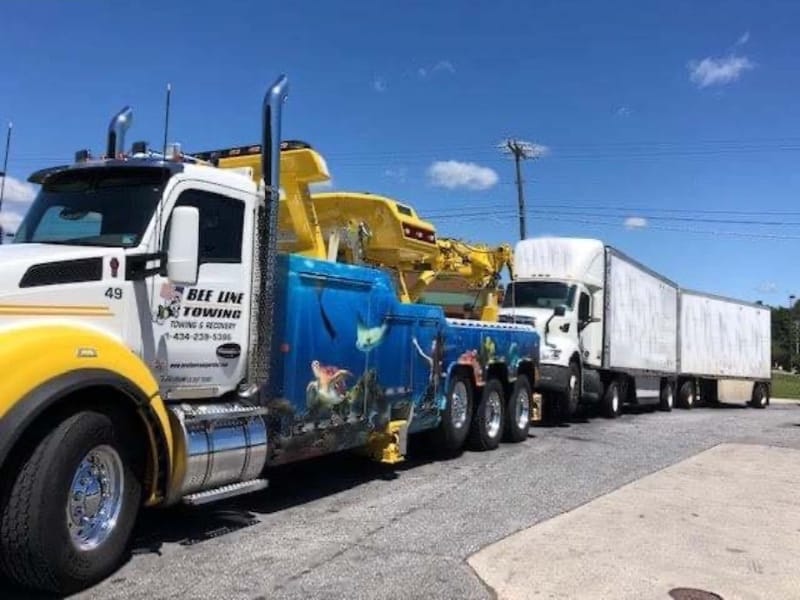
The Value of a Long-Term Fleet Partner
A long-term fleet partnership gives us the chance to learn how each business operates. We know which vehicles stay on the road all day, which trucks carry heavy equipment, and which routes create the most wear. That information helps us respond faster and recommend practical maintenance plans. It also helps us keep repairs and towing organized throughout the year.
Problems That Cost Fleets the Most Time
Most fleet breakdowns begin with a few common issues. Tires wear down faster than expected, batteries fail during cold mornings, and overdue oil changes strain engines. We often help businesses avoid larger repairs by catching those warning signs early. A regular schedule keeps trucks moving and gives managers fewer surprises.
What Businesses Should Include in a Fleet Partnership
A strong fleet towing and maintenance agreement should cover more than roadside towing. We recommend creating a plan that includes:
- Scheduled vehicle inspections
- Battery and tire checks
- After-hours towing support
- Preventive maintenance reminders
- Fast communication with one service contact
When we work from a clear plan, every driver knows who to call and what happens next. A manager does not have to spend the morning searching for a tow truck or trying to track down repair updates.
Businesses should also look for a company that can grow with them. A small fleet of three trucks may become ten trucks within a year. A towing partner should have enough equipment, staff, and availability to keep up with that growth. That is one reason many companies look for a Lynchburg fleet service that can support both daily maintenance and emergency towing in one place.
Keeping Downtime Short During Busy Seasons
Busy seasons create more strain on commercial vehicles. Delivery companies face longer routes during holidays, while contractors put extra miles on their trucks during the summer. We encourage businesses to schedule maintenance before those peak periods arrive. A trusted Lynchburg fleet service can inspect vehicles, replace worn parts, and prepare the fleet before the busiest weeks begin.
Clear Communication Makes Every Call Easier
Communication matters as much as towing equipment. Drivers need quick updates, managers need accurate timelines, and business owners want to know when their vehicles will return to service. We keep communication simple and direct so everyone stays informed. That level of contact helps a Lynchburg fleet service work smoothly with companies that rely on several vehicles every day.
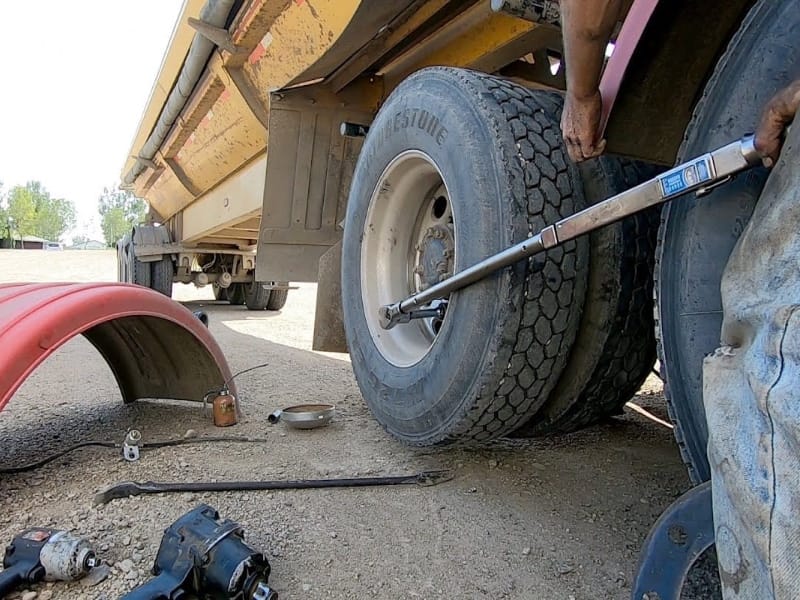
How Bee Line Transport Supports Businesses With Lynchburg Fleet Service
At Bee Line Transport, we work closely with local businesses to create towing and maintenance partnerships that fit their fleets. Some companies need support for a handful of work vans, while others manage larger truck fleets across several job sites. We build a Lynchburg fleet service plan around the size of the fleet, the type of vehicles, and the daily schedule each company follows.
We provide roadside towing, scheduled maintenance support, vehicle recovery, and fast response for unexpected breakdowns. Our goal is to keep businesses on schedule and reduce the time vehicles spend off the road. Through every call and every service visit, we continue building a Lynchburg fleet service that local businesses can rely on throughout the year.
FAQ
How often should a company inspect its fleet vehicles?
Most businesses should inspect fleet vehicles once a month. Companies with high-mileage trucks or heavy daily use may need weekly checks.
What should a fleet towing partnership include?
A strong partnership should include emergency towing, scheduled inspections, maintenance reminders, and one direct contact for service calls.
How can businesses reduce vehicle downtime?
Regular oil changes, tire inspections, battery testing, and quick repairs help keep vehicles on the road and prevent larger problems.
When should a business call for roadside towing?
A business should call for towing when a vehicle cannot drive safely because of engine trouble, a flat tire, a dead battery, or an accident.
Can a towing company help with preventive maintenance?
Yes. Many towing companies also offer inspections and maintenance planning to catch worn tires, weak batteries, and other issues early.
What are the signs that a work truck needs service?
Common signs include slow starting, unusual noises, warning lights, poor braking, uneven tire wear, and lower fuel economy.