

Electrical Gremlins: What’s Draining Our Diesel Trucks?
Diesel trucks have come a long way. With every new model, manufacturers load them up with more sensors, computers, and wiring than ever before. That’s great for performance. Until something goes haywire: Flickering dash lights, warning codes that make no sense, or a truck that just won’t start. These electrical problems can feel like chasing ghosts, but for our Lynchburg fleet repair team, they’re often symptoms of larger issues hiding under the hood. That’s why solid diagnostics aren’t optional anymore. Good diagnostics can make the difference between quick fixes and costly downtime.
Once we learned to stop treating electrical problems like mysteries and start treating them like solvable puzzles, our repairs became faster, cleaner, and far less expensive. A good diagnostic scan gives us a roadmap, not just a list of trouble codes. And in a fleet, where one downed truck slows the whole operation, finding and fixing the real issue fast is the name of the game.
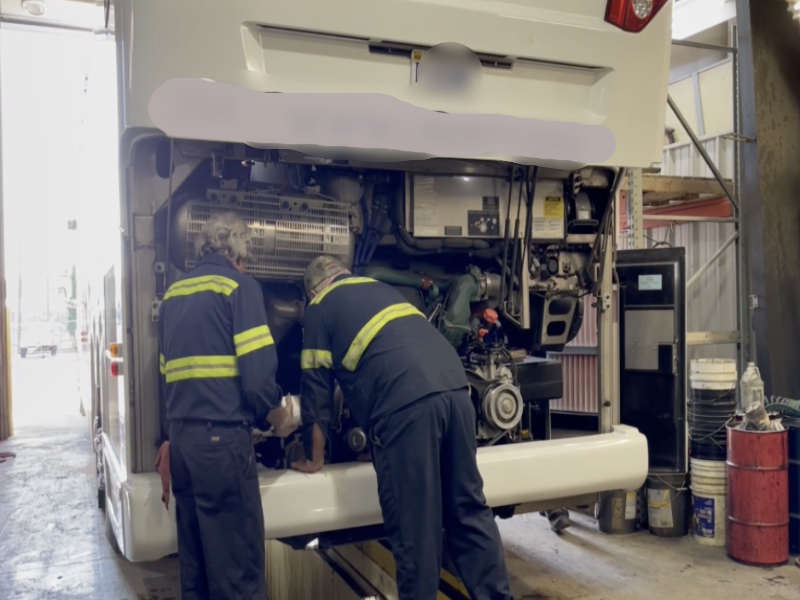
Common Diesel Electrical Issues That Drain Time and Money
We’ve come to expect a few usual suspects when diagnosing truck electrical issues. These aren’t exotic or rare, they’re the problems we face day after day in Lynchburg fleet repair jobs.
Battery and Alternator Failures
The backbone of any truck’s electrical system is its charging setup. A weak alternator or dying battery doesn’t just stop the truck; it sets off a domino effect of sensor malfunctions, power drops, and poor fuel performance. That slow crank sound in the morning? It might be more than just a cold morning.
Faulty Wiring and Connectors
Modern diesel trucks use miles of wiring, and most of it is tucked away in tight spaces where moisture and vibration love to hide. Corrosion, pinched wires, and bad grounds are silent killers. We’ve seen entire systems go down over a 50-cent connector that broke loose on a gravel run.
Sensor Malfunctions
Your diesel truck runs on data. From fuel injection timing to emissions control, it’s all sensor-driven. One bad reading from a mass airflow sensor or DEF level monitor can send the whole system into limp mode. And good luck getting anything done when your truck thinks it’s in trouble.
How Diagnostics Turn Guesswork Into Smart Repairs
We used to waste hours replacing parts that “might” be the issue. Not anymore. Today’s diagnostics tools give us real-time data on how each system is performing. But tools are only as good as the technician using them.
Here’s how diagnostics keep costs down and trucks running:
- Catch problems early: A simple code today could be a blown ECU tomorrow.
- Avoid unnecessary part swaps: We don’t play the guessing game.
- Spot hidden issues: Like voltage drops from frayed wires deep in the harness.
- Verify repairs: We confirm that the fix actually solved the problem before calling it done.
Investing in better diagnostics means spending less on breakdowns, tows, and surprise repairs.
Signs Your Fleet Needs an Electrical Diagnostic Check
If you manage trucks, watch for these red flags:
- Hard starts or no starts
- Dashboard lights flickering or dimming
- Strange smells near the battery or fuse box
- Error codes that keep returning
- Intermittent power loss or stalling
Catching these early could mean the difference between a quick service and losing a truck for days.
Bee Line Towing: Lynchburg Fleet Repair Experts Who Get Electrical Right
When it comes to Lynchburg fleet repair, we’ve seen firsthand how electrical problems can throw off an entire schedule. At Bee Line Towing, we specialize in pinpointing those issues and fixing them right the first time. Our Lynchburg fleet repair team uses advanced diagnostic tools and proven troubleshooting methods to stop problems before they snowball.
And because we know how much your fleet matters to your bottom line, we don’t waste time or money. You’ll get honest answers, real fixes, and a crew that knows diesel inside and out.
Our Lynchburg fleet repair service includes full-system electrical diagnostics and testing, charging and starting system repairs, wiring harness inspections and repairs, sensor replacement and reprogramming, as well as scheduled maintenance and fleet checkups.
You’ve got a fleet to run. Let us keep your trucks powered, reliable, and on the move. Call Bee Line Towing today and ask about our Lynchburg fleet repair solutions designed for businesses that can’t afford breakdowns. Because in this business, every mile counts, and so does every wire!
FAQ
What are the first signs of electrical trouble in a diesel truck?
Early signs often include dim headlights, slow engine crank, flickering dashboard lights, or random warning codes. These symptoms can show up long before the truck fails to start.
Can a weak battery affect how sensors work in a diesel truck?
Yes. Low voltage from a weak battery can cause sensors to send incorrect data or fail entirely, triggering fault codes and performance issues.
How long do electrical diagnostics usually take?
Most diagnostic scans take under an hour, but if deeper testing is needed, it can take longer. The goal is to find the root issue without guessing.
Is it safe to drive a truck with electrical warning lights on?
Not always. Some warning lights point to issues that could lead to breakdowns or safety problems. It’s best to get the truck checked as soon as possible.
Why do electrical issues seem to come and go?
Intermittent electrical problems are usually caused by loose connections, corroded terminals, or failing components that only act up under certain conditions like vibration or heat.
Do diesel trucks need regular electrical inspections?
Yes. Regular checks catch wear and tear in the wiring and charging systems before they cause unexpected failures. It’s a smart part of any maintenance routine.