

Frozen Roads, Full Loads, But No Problem
Winter is coming. Snowstorms roll in fast, roads freeze solid, and trucks don’t always stay upright. Winter often brings challenges for trucking: jackknifed trailers, overturned loads, big rigs stuck on black ice. For us at Bee Line Transport, winter is when I-81 heavy recovery goes from difficult to downright brutal. And we gear up for it every year.
Our job doesn’t stop just because the weather’s bad. In fact, that’s usually when the calls start pouring in. When a fully loaded semi is sideways in a ditch, it takes more than just a regular tow to fix the situation. It takes strategy, muscle, and a whole lot of experience. From icy shoulder extractions to highway snatch recoveries in whiteout conditions, we’ve built our playbook around tough winters and tougher recoveries.
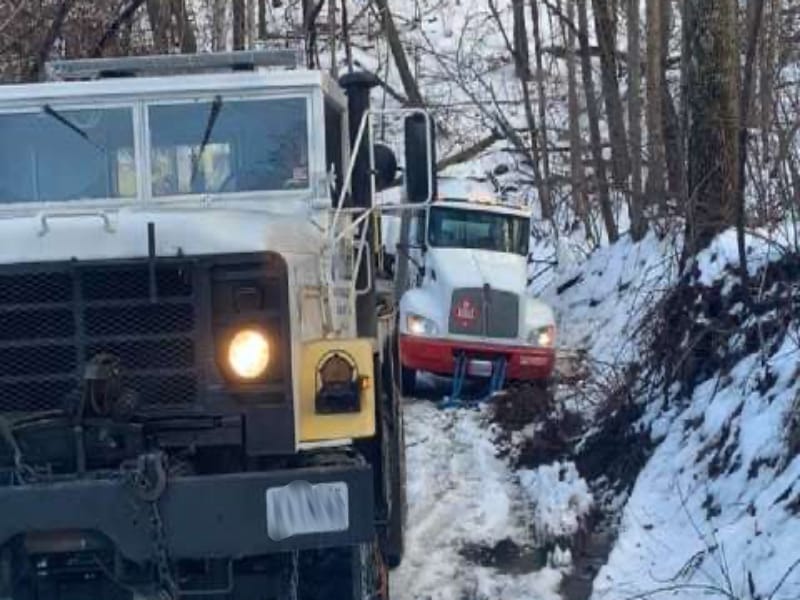
Winter Hazards That Make Heavy Towing a Whole New Game
Cold weather brings a unique set of challenges that demand more from us and our equipment. Here’s why winter recovery is in a league of its own:
Slippery Surfaces and Soft Shoulders
Ice isn’t just dangerous for drivers. It also makes it harder for us to position and anchor our rigs. One wrong move on a slick shoulder can put our recovery trucks in danger, too.
Low Visibility and Road Closures
Heavy snow and fog can make it nearly impossible to spot what we’re working with. We rely on GPS, radio coordination, and good old-fashioned communication to navigate shut-down highways and blocked access points.
Frozen Equipment
Hydraulic lines freeze. Winches seize up. Even hooking up chains becomes a chore when the temperature drops. That’s why we run cold-weather prep on every truck before the first snow falls.
Time Pressure
When a big rig is blocking I-81, the clock is ticking. Our I-81 heavy recovery crew knows every second matters, both for traffic flow and the driver stuck in the cab. We move fast, but we don’t rush. Safety is non-negotiable.
How We Tackle Winter Recoveries
Getting a 40-ton vehicle out of a ditch in subzero weather isn’t about brute force. It’s about planning and using the right tools at the right time.
Here’s how we handle it:
- Assessment First: Before we move a thing, we scout the scene. Weight, cargo, damage, angles. We take it all in. Our I-81 heavy recovery work starts with smart thinking.
- Staging and Setup: We set up multiple anchor points, check ground stability, and position our wreckers for maximum leverage.
- Communication Is Key: Our crew is constantly in touch, whether it’s by radio or in person. When it’s blowing snow, teamwork keeps everyone safe.
- Execution: We work with precision. That might mean winching the tractor separately from the trailer or using airbags to lift an overturned load.
- Clean-Up and Reset: Once the truck is upright and out, we handle debris, spilled cargo, and site restoration if needed.
We train year-round for I-81 heavy recovery jobs because when winter hits, we don’t get a second chance.
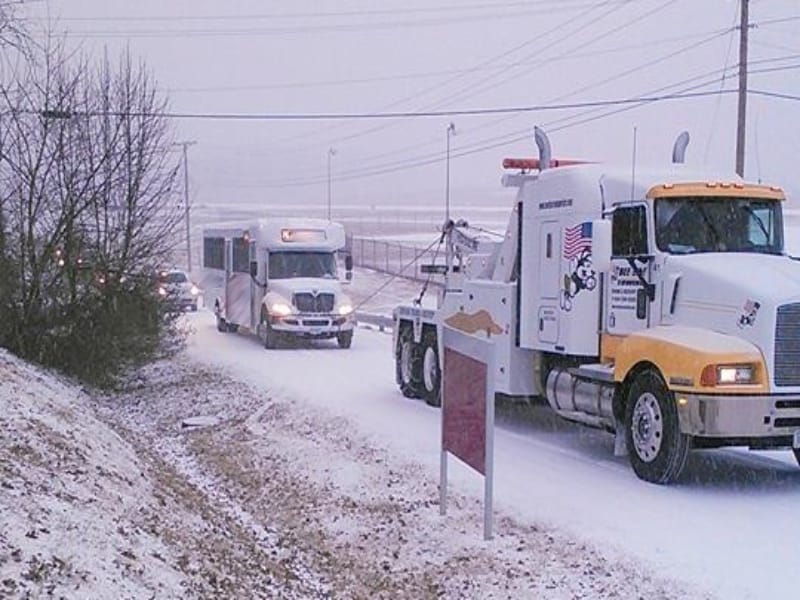
Bee Line Transport: Trusted for I-81 Heavy Recovery, Even in the Worst Weather
We know the local roads like the back of our hand. From steep mountain passes to narrow shoulders and snow-covered ramps, I-81 heavy recovery is what we do, especially in the heart of winter. At Bee Line Transport, we’ve built our reputation on getting the job done no matter the conditions.
When winter weather makes travel risky, we stay ready. Our fleet is outfitted for snow, ice, and anything else the season throws at us. Our team has pulled rigs out of ditches at 3 a.m., uprighted tankers in zero-degree wind, and handled winter wrecks that shut down the interstate.
If you’re stuck, spun out, or just need heavy-duty help, Bee Line Transport is standing by. I-81 heavy recovery is our specialty, especially when the mercury drops.
FAQ
How do tow trucks work on icy roads?
Tow trucks use chains, winter tires, and low-speed control to gain traction on icy roads. Operators also scout safe positions for recovery to avoid sliding during the job.
What makes winter towing more dangerous than other seasons?
Winter towing is more dangerous due to low visibility, slippery surfaces, and extreme cold affecting both vehicles and equipment. Response times also increase with road closures and slower traffic.
Can towing equipment freeze in cold weather?
Yes, hydraulic lines, winches, and couplers can freeze if not winterized properly. Crews prepare gear ahead of time to keep everything running in freezing temperatures.
How long does a winter recovery usually take?
The time varies depending on the size of the vehicle, road conditions, and recovery setup. In winter, even simple recoveries can take longer due to cold and safety checks.
What tools are used in cold weather recoveries?
Common tools include winches, recovery straps, air cushions, traction boards, and rigging chains. Cold-weather versions of these tools help keep the job moving.
Do tow truck drivers get special winter training?
Yes, many heavy recovery operators train specifically for winter scenarios, including how to work safely in snow, spot hidden hazards, and manage recoveries in freezing weather.